

“How to Process Trauma Without the Overwhelm” at a Glance
How to Process Trauma Without the Overwhelm: A Guide to Titration
If you’ve ever tried to “dive deep” into your past only to end up feeling flooded, exhausted, or completely shut down, you’ve experienced the limits of the human nervous system. In the world of trauma recovery, there is a common misconception that we must relive our darkest moments in full detail to be free of them.
However, as a practitioner working with both therapy and coaching clients, I advocate for a different, more compassionate approach: Titration.
What is Titration?
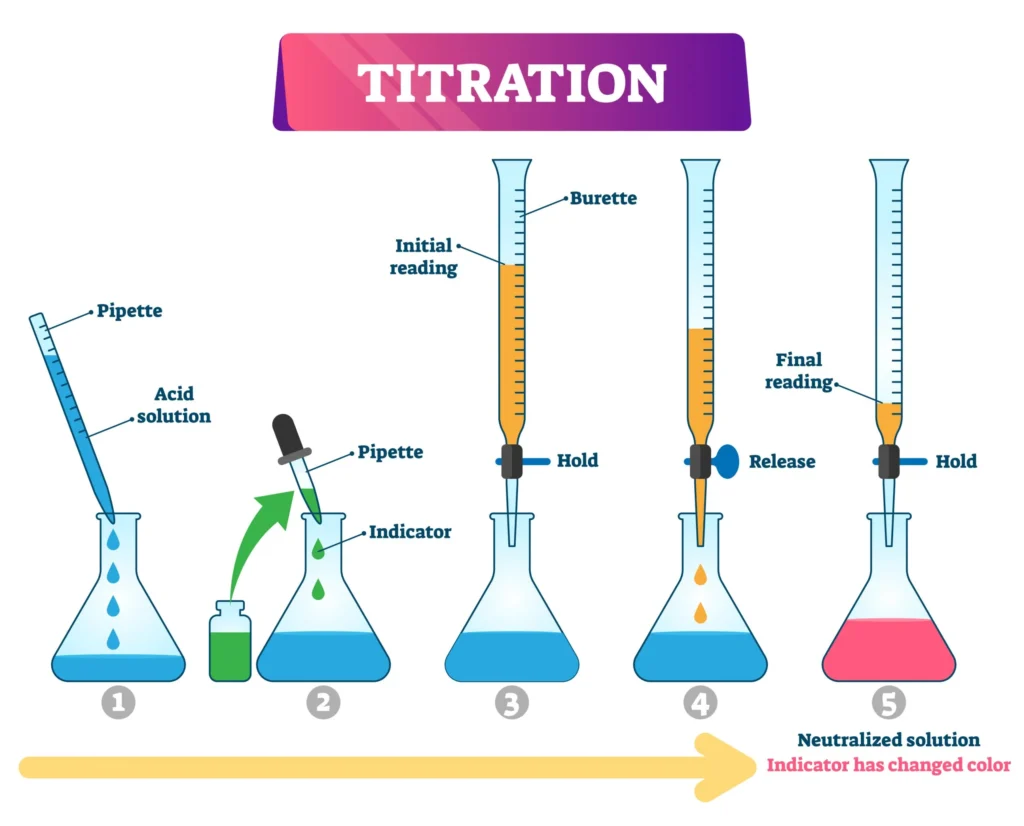
The term “titration” is borrowed from chemistry. It describes the process of adding a potent substance to a solution one tiny drop at a time to prevent an explosive or volatile reaction.
In a therapeutic context—specifically within trauma-informed care—titration is the practice of breaking down overwhelming memories, emotions, and physical sensations into “bite-sized” pieces. Instead of jumping into the deep end of the pool, we dip a toe in, check the temperature, and ensure we can still breathe before going any further.
Why “Slow” is Actually Faster
Our nervous systems have what we call a Window of Tolerance. When we are inside this window, we can process emotions and navigate stress effectively. Trauma, by definition, pushes us outside this window—either into hyper-arousal (panic, flashbacks, anxiety) or hypo-arousal (numbness, dissociation, depression).
When we try to process trauma too quickly, we risk “flooding,” which can actually re-traumatize the brain. Titration works because:
- It respects your biology: It gives your nervous system time to “digest” the energy of the past.
- It builds resilience: By handling small amounts of distress and returning to calm, you are literally re-wiring your brain’s ability to handle stress.
- It creates lasting change: Integration happens at a cellular level, not just an intellectual one.
The Therapeutic Relationship: Your Safe Container
Titration is a biological process, but it rarely happens in a vacuum. This is where the therapeutic relationship becomes vital. Think of the relationship as the “glassware” that holds the chemistry experiment.
As your therapist or coach, I provide a stable, reinforced container. Through co-regulation, I use my own regulated nervous system to help steady yours. I help you “pump the brakes” when things move too fast and mirror safety when your body feels a false sense of danger. You don’t have to hold the weight of the process alone; the relationship itself provides the scaffolding for your healing.
The “Diamond” Effect: Unpacking the Facets of Trauma
Trauma is rarely a single, solid block. It is more like a diamond with dozens of sharp facets. One event might contain layers of sensory data (a certain smell or sound), unconscious core beliefs (“I am unworthy”), and physical bracing patterns (a tight chest or clenched jaw).
Discovering these facets takes time because your psyche is naturally protective. It won’t reveal the next layer until it is certain you have the capacity to hold it. Whether we are working in a clinical therapy setting to heal deep-seated wounds or in a coaching capacity to dismantle unconscious patterns that block your performance and growth, we honor this timeline. Genuine transformation requires the patience to let the “drops” settle before adding the next one.
Is My “Container” Full? A Self-Checklist
Knowing when to stop is just as important as knowing how to start. If you notice these signs, your “container” may be full for today:
- Physical Red Flags: Glazed eyes, shallow breathing, or sudden extreme tension in the jaw and shoulders.
- Cognitive Indicators: Feeling “mental fog,” losing your train of thought, or jumping rapidly from one memory to another without finishing a sentence.
- Emotional Flooding: A sudden, uncontrollable wave of shame, rage, or the urge to “numb out” immediately.
How I Use Titration in My Practice
I integrate titration into both my therapy and coaching sessions because the nervous system doesn’t distinguish between “clinical trauma” and “professional burnout” or “limiting beliefs.”
- In Therapy: We use titration to slowly discharge the survival energy trapped in your body from past events, ensuring you stay grounded and safe.
- In Coaching: We use it to examine the unconscious patterns and “internal glass ceilings” that keep you stuck. By titrating the discomfort of change, we avoid the self-sabotage that often follows “too much, too fast.”
Healing is not a race. By choosing the path of titration, you aren’t avoiding your past; you are finally giving your body the safety it needs to let the past go—one drop at a time.
Take the next step
Schedule a free consultation to explore how holistic counseling and coaching can support your journey toward well-being.
